
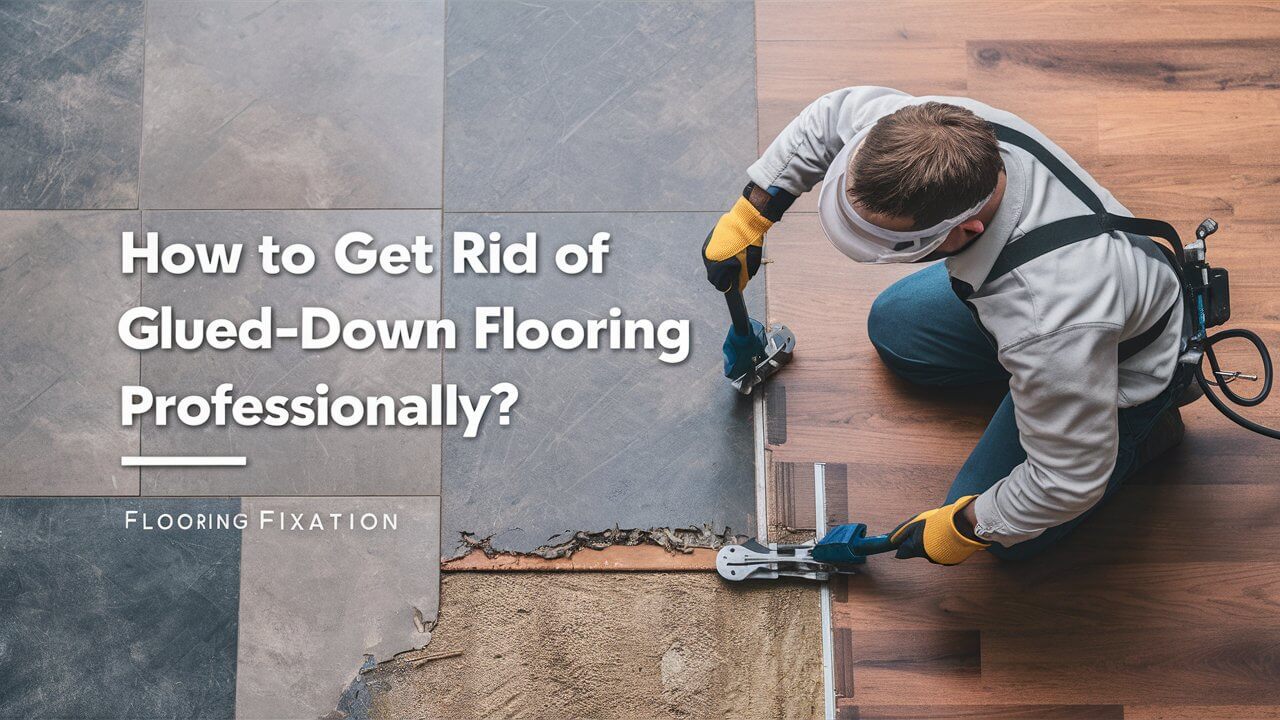
Tackling glued-down flooring removal presents a complex challenge that demands expertise, proper tools, and proven techniques. When homeowners or contractors face stubborn adhesives and delicate subfloors, the wrong approach can lead to costly damage and time-consuming repairs. Professional floor removal transforms this daunting task into a systematic process that preserves the integrity of your subfloor while efficiently removing old flooring materials.
The evolution of flooring adhesives has made removal increasingly challenging. Modern adhesives create incredibly strong bonds that resist traditional removal methods. Without professional knowledge, attempting to remove glued-down flooring often results in splintered materials, damaged subfloors, and countless hours of frustrating labor. Professional techniques have adapted to match these stronger adhesives, incorporating specialized tools and methods that break down even the most stubborn bonds while protecting the underlying surface.
Table of Contents
Preparation and Safety Measures
The foundation of any successful flooring removal project lies in meticulous preparation and unwavering commitment to safety protocols. Every step of the removal process carries potential risks, from airborne particulates to chemical exposure, making professional safety measures not just advisable but essential.
Industry veterans understand that proper preparation can make the difference between a smooth operation and a project plagued with setbacks and health hazards.
Safety should never be compromised during flooring removal, as the process releases various hazardous materials into the air, including dust, chemical fumes, and potentially harmful particles. Proper ventilation is the cornerstone of safe working conditions, especially when dealing with old adhesives that may release fumes during removal.
Start by:
- Opening all windows and setting up industrial fans
- Removing all furniture, appliances, and decorative items
- Protecting adjacent areas with heavy-duty plastic sheeting
- Sealing off air vents to prevent dust circulation
Essential safety gear includes:
- Respirator masks rated for chemical fumes
- Heavy-duty work gloves
- Safety goggles with side protection
- Knee pads for extended floor work
- Steel-toed boots for protection against falling materials
Essential Tools and Equipment
The cornerstone of professional flooring removal lies in the careful selection and application of specialized tools and equipment. Unlike basic home improvement projects, removing glued-down flooring requires an arsenal of professional-grade implements designed specifically for tackling stubborn adhesives and various flooring materials.
Understanding the capabilities and limitations of each tool ensures not only efficient removal but also minimizes the risk of damage to the subfloor. A professional floor removal company invests significantly in maintaining and updating its equipment inventory to handle any challenge it might encounter.
Tools and Equipment Needed
Professional floor removal demands a specific arsenal of tools, each serving unique purposes throughout the process. The basic toolkit includes:
| Basic Tools | Power Tools | Specialty Equipment |
| Floor scrapers | Heat guns | Adhesive removers |
| Pry bars | Power scraper | Chemical solvents |
| Utility knives | Shop vacuum | Safety equipment |
| Hammers | Oscillating tool | First aid kit |
Advanced equipment might include industrial-grade scrapers and specialized adhesive removal machines. Investing in quality tools proves crucial for efficiency and preventing damage to the subfloor. Professional-grade equipment often features ergonomic designs that reduce worker fatigue and increase productivity.
Removal Techniques for Different Flooring Types
The science and art of removing glued-down flooring encompasses a diverse range of techniques, each tailored to specific materials and adhesive types. Years of industry experience have resulted in refined methodologies that consider factors such as adhesive age, environmental conditions, and subfloor composition.
Professional floor removal services rely on this accumulated knowledge to select the most effective approach for each unique situation. Understanding the subtle differences between various flooring materials and their respective removal requirements represents a crucial aspect of professional expertise.
Engineered hardwood requires careful attention to prevent subfloor damage, while vinyl flooring might need heat application to loosen adhesive bonds.
For engineered hardwood:
- Start at the room edges
- Apply controlled heat to soften the adhesive
- Use a floor scraper at a 30-degree angle
- Work in small sections
For vinyl flooring:
- Score into manageable strips
- Heat sections gradually
- Peel back while maintaining steady pressure
- Remove the remaining backing separately
Adhesive Removal Methods
The complexities of adhesive removal extend far beyond simply scraping away visible residue. Modern adhesives create molecular bonds that penetrate deep into surface materials, requiring sophisticated removal approaches that address both surface and subsurface adhesion.
Professional contractors must navigate the delicate balance between effective adhesive removal and subfloor preservation, often employing multiple techniques in concert to achieve optimal results. This phase of the project often proves the most challenging and time-consuming, demanding both technical expertise and patience.
The process typically follows this sequence:
- Initial scraping to remove bulk adhesive
- Heat application to soften the remaining residue
- Chemical stripper application for stubborn areas
- Final cleaning and preparation for new flooring
Professional floor removal services often employ specialized solutions that expedite this process while protecting the subfloor integrity.
The choice of chemical removers depends on:
- Adhesive type
- Subfloor material
- Environmental considerations
- Local regulations
Challenges and Solutions
The professional removal of glued-down flooring presents a multifaceted array of challenges that require dynamic problem-solving abilities and extensive experience. Each project brings its unique set of obstacles, from unexpected subfloor conditions to particularly stubborn adhesive formulations.
Success in this field depends on the ability to quickly assess situations and implement effective solutions while maintaining project efficiency and safety standards. Professional floor removal companies maintain extensive knowledge bases of common challenges and proven solutions.
Common obstacles include:
Hidden Damage
- Solution: Thorough inspection before and during removal
- Documentation of discovered issues
- Immediate addressing of structural concerns
Stubborn Adhesives
- Solution: Progressive application of removal techniques
- Testing in inconspicuous areas
- Adjustment of methods based on effectiveness
Time Constraints
- Solution: Proper project planning
- Realistic timeline establishment
- Efficient resource allocation
Professional Equipment Options
The evolution of flooring removal technology has produced an impressive array of specialized equipment designed to handle increasingly challenging removal scenarios. From compact handheld tools to industrial-grade machinery, each piece of equipment serves a specific purpose in the removal process.
Professional contractors carefully evaluate project requirements to determine the optimal combination of equipment that will ensure efficient removal while minimizing potential damage to underlying structures.
Industrial-grade equipment dramatically improves efficiency and results.
Key machines include:
- Ride-on scrapers for large areas
- Walk-behind power scrapers
- Industrial heat applications
- Dust containment systems
These tools, while representing significant investment, prove invaluable for professional floor removal companies, offering:
- Increased productivity
- Reduced physical strain
- More consistent results
- Better dust control
Disposal and Clean-up
The culmination of any flooring removal project hinges on proper disposal and thorough clean-up procedures. This crucial phase encompasses far more than simply removing debris from the work site.
Professional floor removal involves complex waste management protocols that must comply with local regulations while maintaining environmental responsibility. The proper handling and disposal of materials can significantly impact both project timeline and cost considerations.
Proper disposal requires careful planning and adherence to local regulations. The process involves:
- Segregation of materials
-
-
- Flooring materials
- Adhesive residue
- Contaminated tools and materials
-
- Documentation
-
- Weight and volume records
- Material composition notes
- Disposal location details
Professional floor removal services coordinate with certified waste management facilities to ensure environmental compliance and proper material handling.
Environmental Concerns
The environmental implications of flooring removal extend far beyond the immediate work area. Modern professional practices must balance effective removal techniques with ecological responsibility, considering factors such as air quality, waste management, and chemical usage. The growing emphasis on sustainable construction practices has led to innovations in removal methods that minimize environmental impact while maintaining professional standards of quality and efficiency.
Modern floor removal emphasizes environmental responsibility through the following:
- Use of eco-friendly adhesive removers
- Proper filtration of dust and particles
- Recycling of eligible materials
- Minimal chemical usage
Best practices include:
- Water-based solutions when possible
- VOC-compliant products
- Dust containment systems
- Proper disposal methods
Conclusion
Professional floor removal requires specialized knowledge, proper equipment, and systematic approaches to ensure successful outcomes.
When facing extensive flooring removal projects, partnering with experienced professionals like Floor Removal Columbia ensures efficient, safe, and environmentally conscious results. Drop us a line today!
FAQs
Q: How long does the removal process typically take?
A: Timeline varies based on square footage, flooring type, and adhesive condition. Most residential projects take 2-5 days.
Q: What preparations should homeowners make?
A: Clear the area of furniture, ensure proper ventilation, and communicate any concerns about the subfloor condition.
Q: Is it possible to save some of the removed flooring?
A: While possible in some cases, glued-down flooring typically sustains damage during removal, making salvage difficult.
