
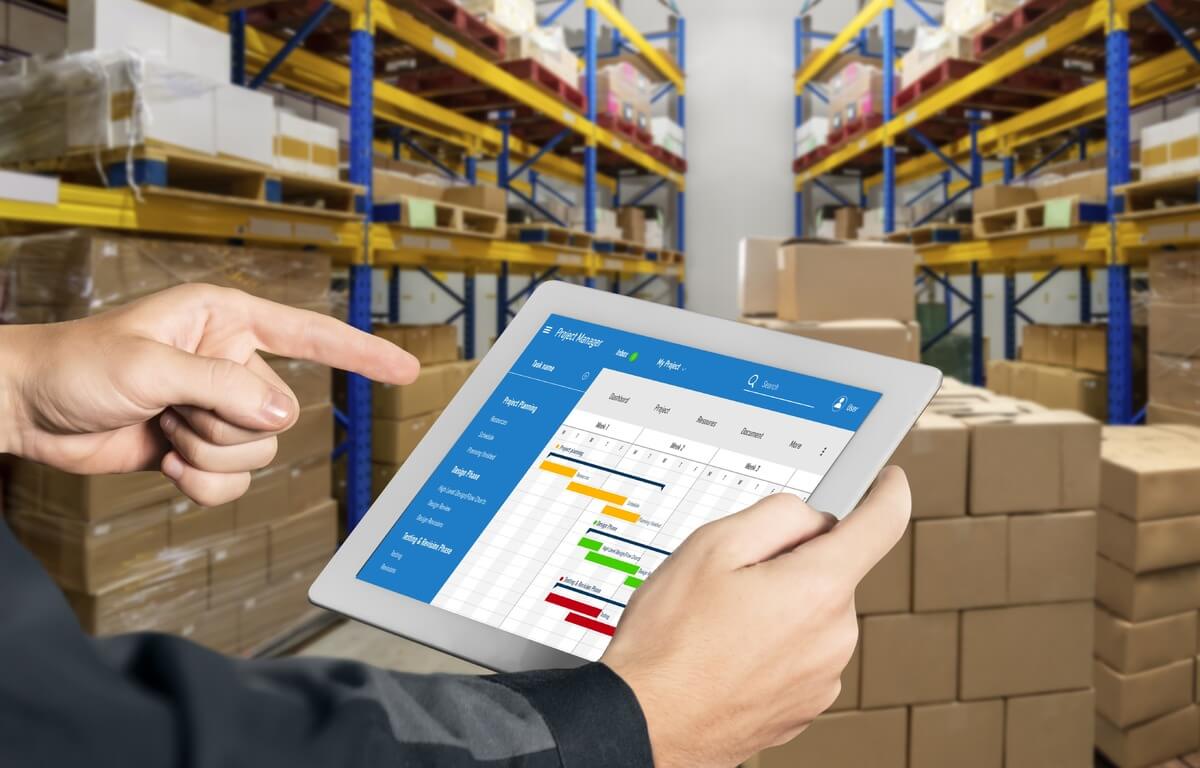
Retail businesses in the Philippines are facing increasing demands for faster, more efficient operations in a competitive market. As consumer expectations rise and supply chains become more complex, managing inventory becomes a critical aspect of success. An inventory management system in Philippines retail businesses offers a modern solution to streamline operations, reduce costs, and enhance customer satisfaction. Implementing an IMS drives profitability and supports long-term growth.
Table of Contents
Inventory Management Systems
An inventory management system is software designed to oversee and track the movement of goods in and out of a business. It helps retail businesses manage stock levels, track sales, and forecast demand, allowing for a more organized and efficient operation. In the Philippines, where retail businesses are rapidly growing, an IMS has become essential for maintaining competitiveness. The system automates various processes, reducing manual errors and giving businesses the tools to make data-driven decisions. It allows for real-time monitoring, giving owners and managers the visibility needed to optimize stock levels and reduce operational inefficiencies.
Challenges Faced by Retailers Without an IMS
Retailers in the Philippines without an inventory management system face several challenges that hinder smooth operations. One of the most common issues is stockouts, which occur when a product runs out of stock before a new order is placed. This situation can lead to lost sales and dissatisfied customers. Conversely, overstocking occurs when too much inventory is ordered, leading to storage problems and potential product spoilage. In both cases, these inefficiencies can negatively impact a retailer’s bottom line. Manual tracking, while a traditional approach, is prone to errors and can lead to mismanagement of stock, further compounding these issues. Without an IMS, retailers struggle to keep pace with growing demands and the need for real-time visibility into inventory levels.
Key Features of an Inventory Management System in Philippines
The primary feature of an inventory management system in Philippines is its ability to automate stock tracking. This includes keeping tabs on stock levels, sales, and reorder points. An IMS allows retailers to track products in real-time, offering insights into which items are selling quickly and which are not. Other key features include barcode scanning, which simplifies the tracking process, and automated reordering, which ensures that businesses never run out of stock. The system can also generate detailed reports on inventory performance, helping businesses make smarter decisions regarding stock purchasing, storage, and distribution. Additionally, an IMS can be integrated with point-of-sale (POS) systems to provide a seamless experience for both retailers and customers.
Improved Operational Efficiency with an IMS
Implementing an inventory management system drastically improves operational efficiency for retail businesses. With automated processes and real-time data, retailers can quickly identify low-stock items and reorder them before they run out. This eliminates delays and prevents stockouts, ensuring that shelves are always stocked and customers’ needs are met. Additionally, an IMS reduces the need for manual stocktaking, saving time and resources. The system also helps manage labor more efficiently by minimizing the time spent on inventory checks and order placements. As a result, businesses can focus on other areas of growth, such as customer service and marketing, rather than wasting time on repetitive inventory tasks.
Enhanced Customer Satisfaction Through Accurate Stock Data
Customer satisfaction is a top priority for retail businesses, and an inventory management system enhances this aspect significantly. Accurate inventory data ensures that products are available when customers need them. Stockouts are reduced, meaning customers are less likely to be disappointed when they cannot find the items they want. Furthermore, an IMS helps retailers maintain the right product mix, ensuring that high-demand items are always in stock. This leads to faster service, fewer backorders, and a more reliable shopping experience. When customers are satisfied, they are more likely to return, thus increasing repeat business and customer loyalty.
Cost Reduction Through Optimized Inventory Management
One of the most immediate benefits of implementing an inventory management system in Philippines retail businesses is cost reduction. With automated stock tracking, retailers can reduce the risk of overstocking, which leads to wasted storage space and, in some cases, expired products. Conversely, an IMS prevents understocking, which can lead to lost sales. The system’s ability to analyze sales data and predict future demand helps businesses purchase only what they need, reducing unnecessary costs. In addition, accurate inventory management can lead to better supplier negotiations, as businesses can make more informed purchasing decisions. When retailers reduce inventory-related costs, they can reinvest those savings into growing other parts of their business.
Real-Time Data and Analytics for Smarter Decision-Making
Real-time data is a powerful tool for retail businesses looking to optimize their inventory management. An IMS provides detailed reports and insights that help business owners make informed decisions. From tracking sales trends to understanding stock turnover, the system gives a comprehensive view of the inventory lifecycle. Retailers can identify patterns, such as which products sell during specific times of the year or which items are consistently underperforming. With these insights, businesses can adjust their strategies accordingly, placing orders at the right time and maintaining optimal stock levels. Moreover, real-time data makes it easier to forecast future demand, helping businesses stay ahead of trends and avoid potential shortages.
Integration with Other Retail Operations
An inventory management system in Philippines works seamlessly when integrated with other parts of a retail business, such as the point-of-sale (POS) system, accounting software, and e-commerce platforms. When a customer makes a purchase, the IMS automatically updates the stock count in real time, ensuring that sales are reflected instantly across all channels. Integration with POS systems allows for smoother transactions, reducing the chance of errors at the checkout. Additionally, linking the IMS with accounting software provides a unified platform for managing financials, making it easier to track sales and expenses. For businesses with an online presence, integrating an IMS with e-commerce platforms ensures that stock levels are synchronized between the physical store and the website, preventing overselling and missed sales opportunities.
Scalability of Inventory Management Systems for Growing Businesses
A significant advantage of adopting an inventory management system in Philippines is its scalability. For smaller businesses, an IMS provides the tools needed to manage inventory more effectively without overextending resources. As the business grows, the system can handle more complex tasks, such as multi-location inventory management and advanced forecasting. This scalability ensures that businesses do not outgrow their inventory management solution, allowing them to continue operating efficiently as they expand.
Security and Data Protection in an IMS
Security is a crucial consideration when implementing an inventory management system, particularly for retail businesses that handle sensitive data. Retailers rely on IMS solutions to store information about inventory, sales transactions, and customer data. A secure system safeguards this information from unauthorized access, theft, and cyber threats. Features such as data encryption, user access controls, and regular software updates help protect against security breaches. With the increasing reliance on digital tools in retail, it is vital for businesses to choose an IMS that offers robust security measures to ensure both inventory and customer data are safe from potential threats.
The Future of Inventory Management in Retail
The future of inventory management in the Philippines looks promising, with emerging technologies such as artificial intelligence (AI) and automation shaping the next generation of IMS solutions. These advancements allow for even more precise inventory forecasting and real-time decision-making. Automation tools may further streamline tasks such as stock reordering and supplier communication, making the entire process more efficient. As businesses continue to adopt cutting-edge technologies, the capabilities of inventory management systems will evolve, helping retailers stay competitive and meet the demands of a fast-changing market.
Key Takeaway
An inventory management system in Philippines is a valuable investment for retail businesses seeking to improve efficiency, reduce costs, and enhance customer satisfaction. From real-time tracking to streamlined operations, the benefits of adopting an IMS are far-reaching. Retailers who implement this technology can make smarter decisions, improve customer experiences, and drive long-term growth. As the retail industry continues to evolve, adopting an IMS will remain essential for businesses that want to stay competitive and meet the demands of the modern consumer.
